でも、それは綺麗ではないですか。病床よりここの方がよくではないですか。
2016年2月23日星期二
日常(四)
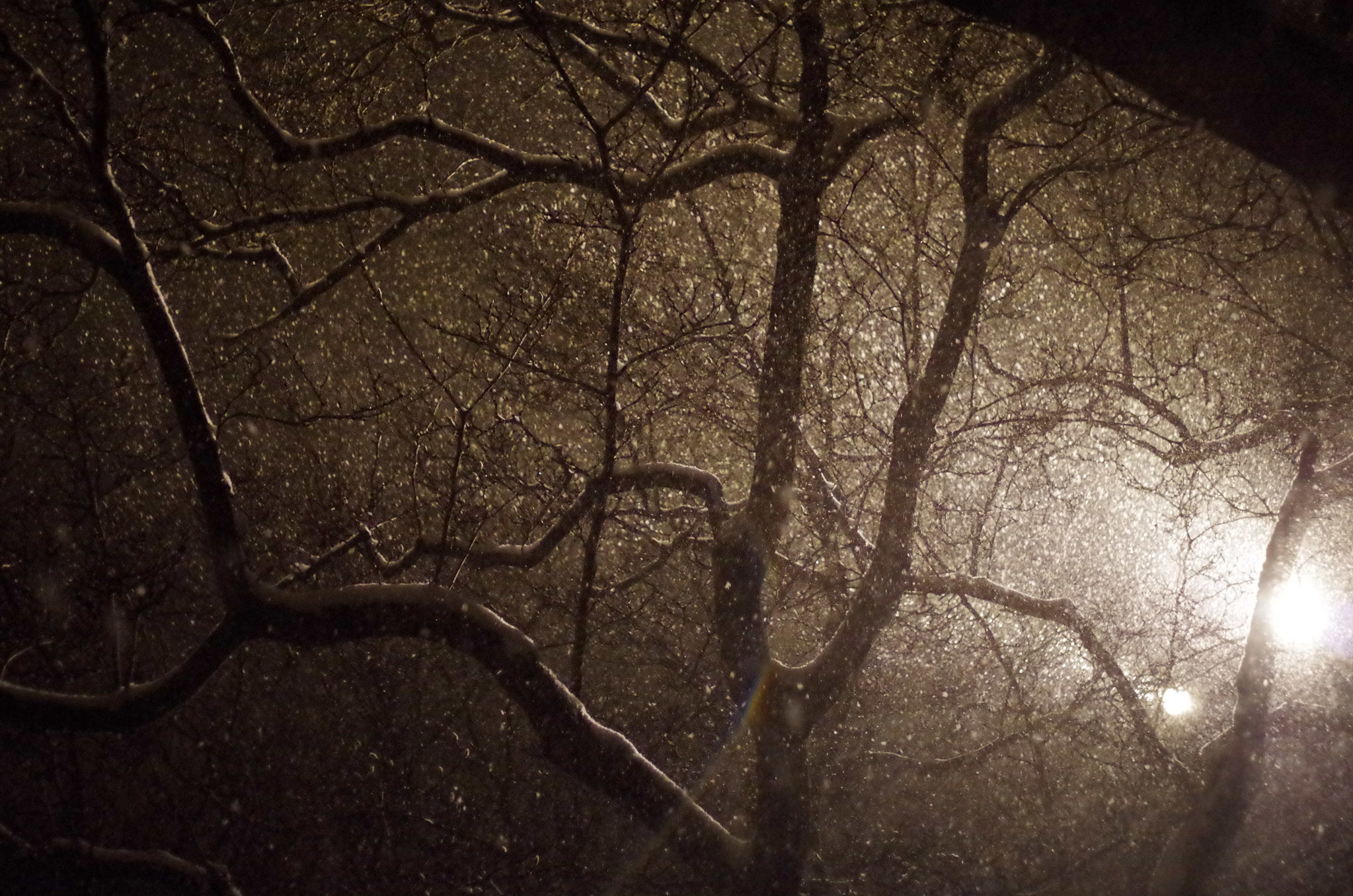
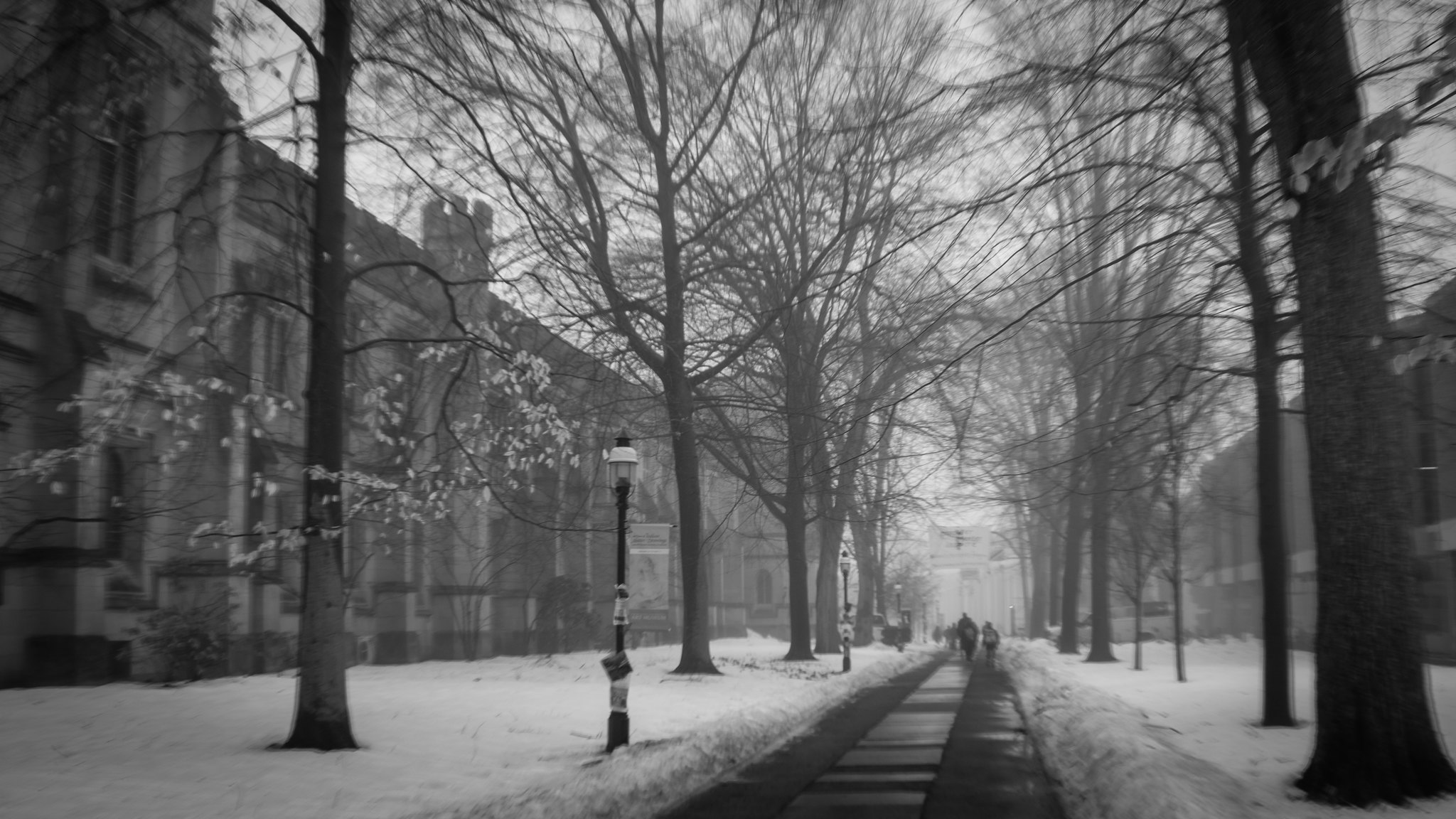
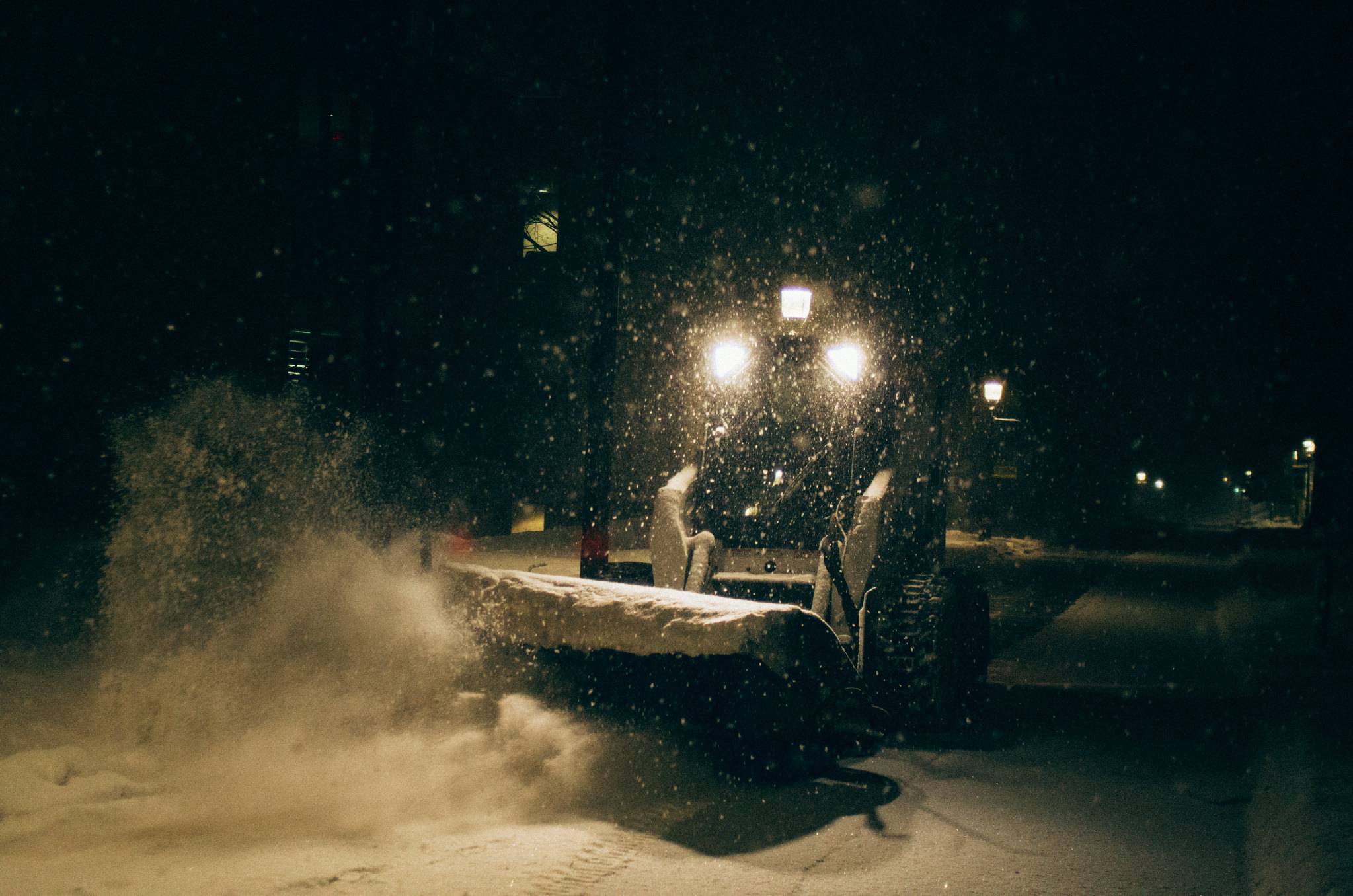
プリンストンは冬が寒いです。寒い風は吹いて、大きい雪は降ります。不便だけど、綺麗です。真夜中二時ぐらい実験室から寮に帰って、傘がないので一人で雪の中で歩きました。静かな真夜だから、自分の心拍と積もった雪の上で歩いた音お聞いて、寒い感じは心の底から漸く伸ばしました、体は寒くなかったけど。大きい雪は覆うので、ここで寂しく死ぬとこを誰も知らないと思いました。
でも、それは綺麗ではないですか。病床よりここの方がよくではないですか。
2016年2月11日星期四
日本の印象(六)
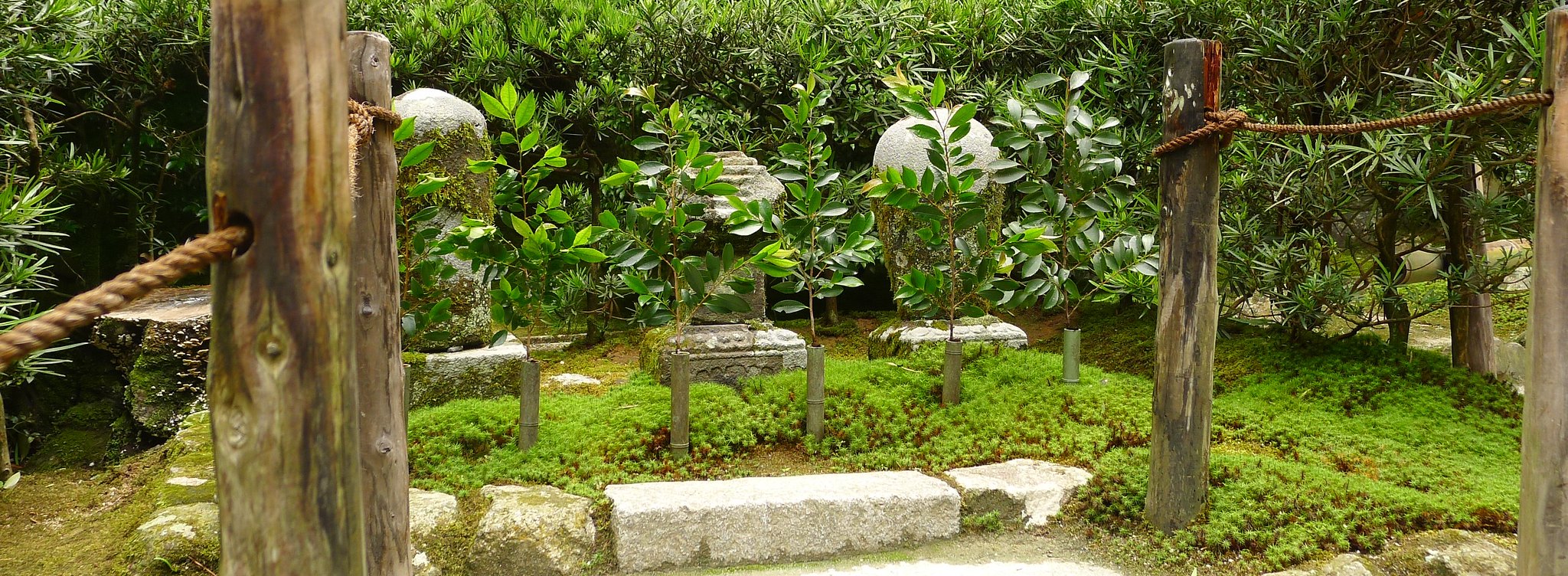
銀閣寺の庭はとても有名です。いろいろな層にいろいろな緑があります。鶸萌黄の苔が地面にあって、緑青の藻が池にあって、青碧の潅木が丘にあって、萌黄の木が小さい山にあります。緑の庭を見て、銀閣寺の春と秋と冬の景色を見たいと思いました。多分赤色と白色になりますね。銀閣寺の外は賑やかですけど、庭に入って、気持ちは静かになりました、そして歩調も緩慢になりました。
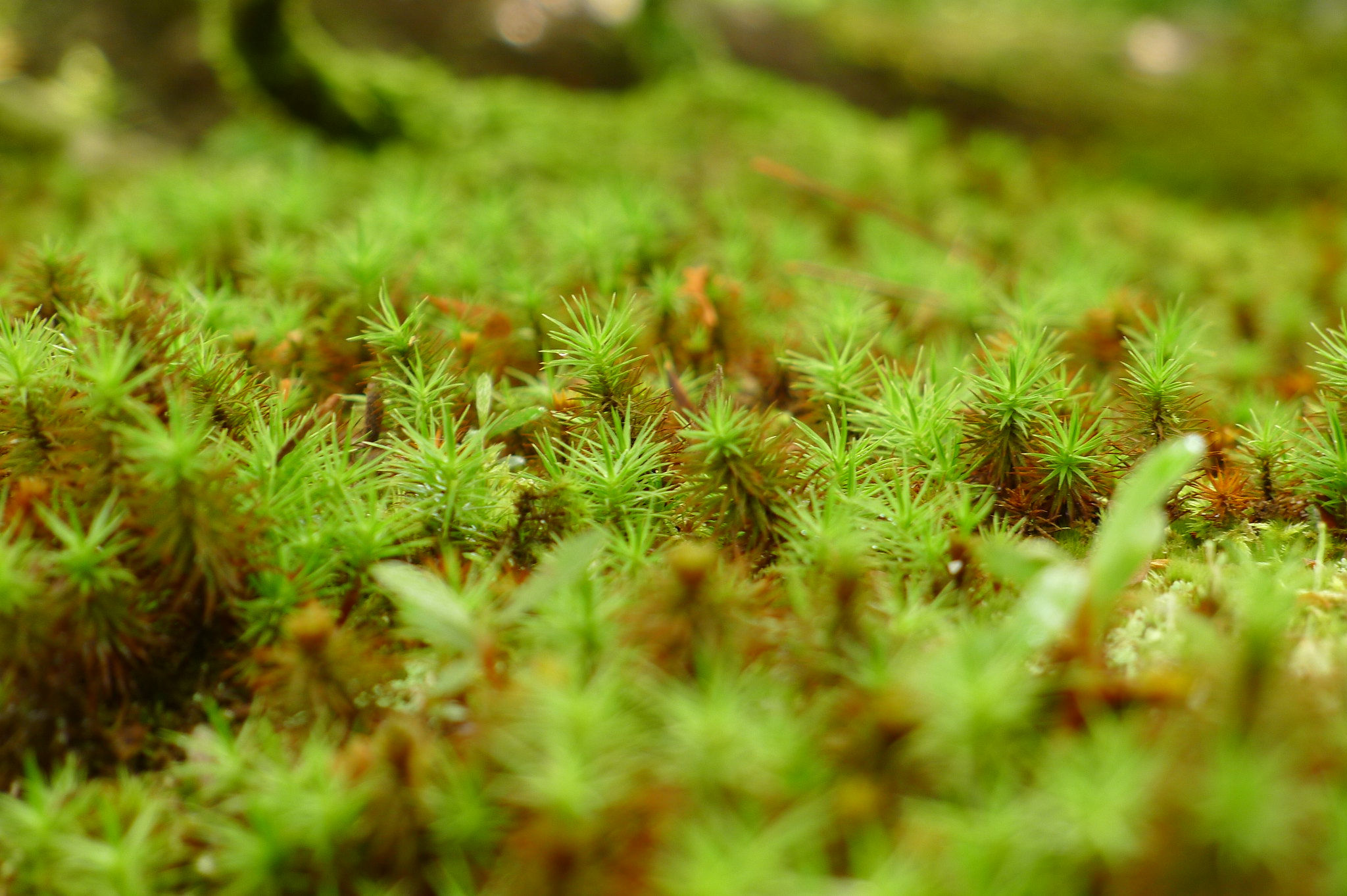
可愛い苔です。
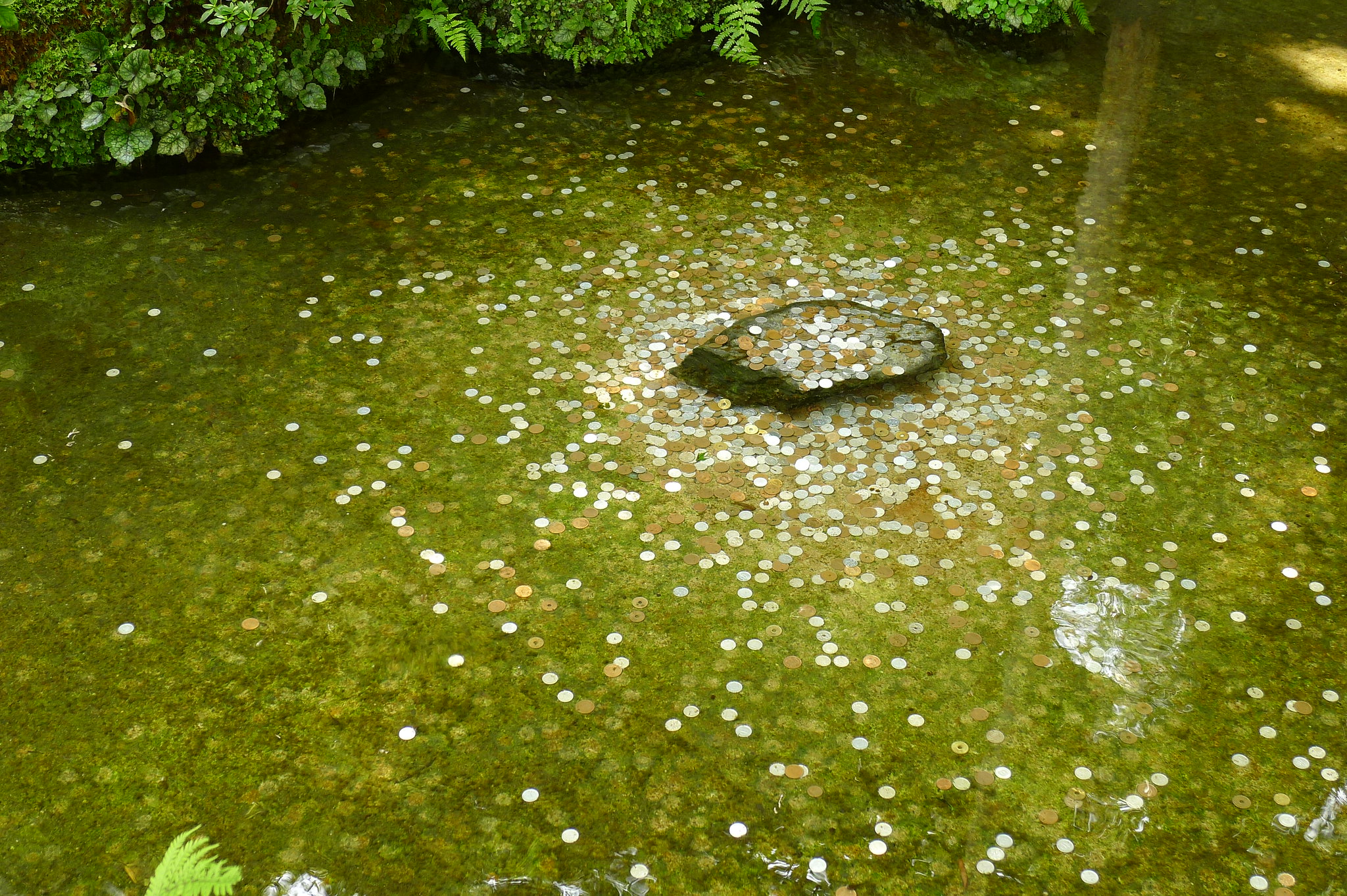
願望がたくさんある池。でも神様はその願望を聞きましたか。
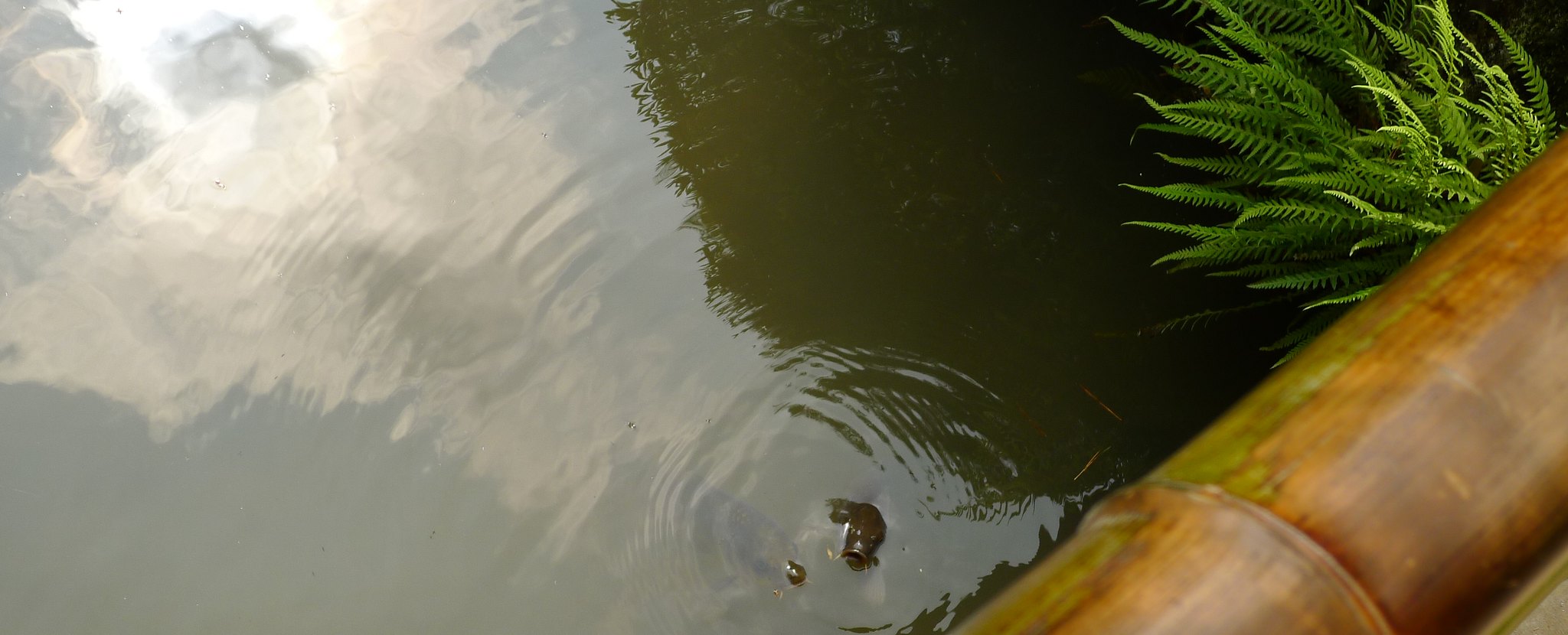
「黒魚来航」
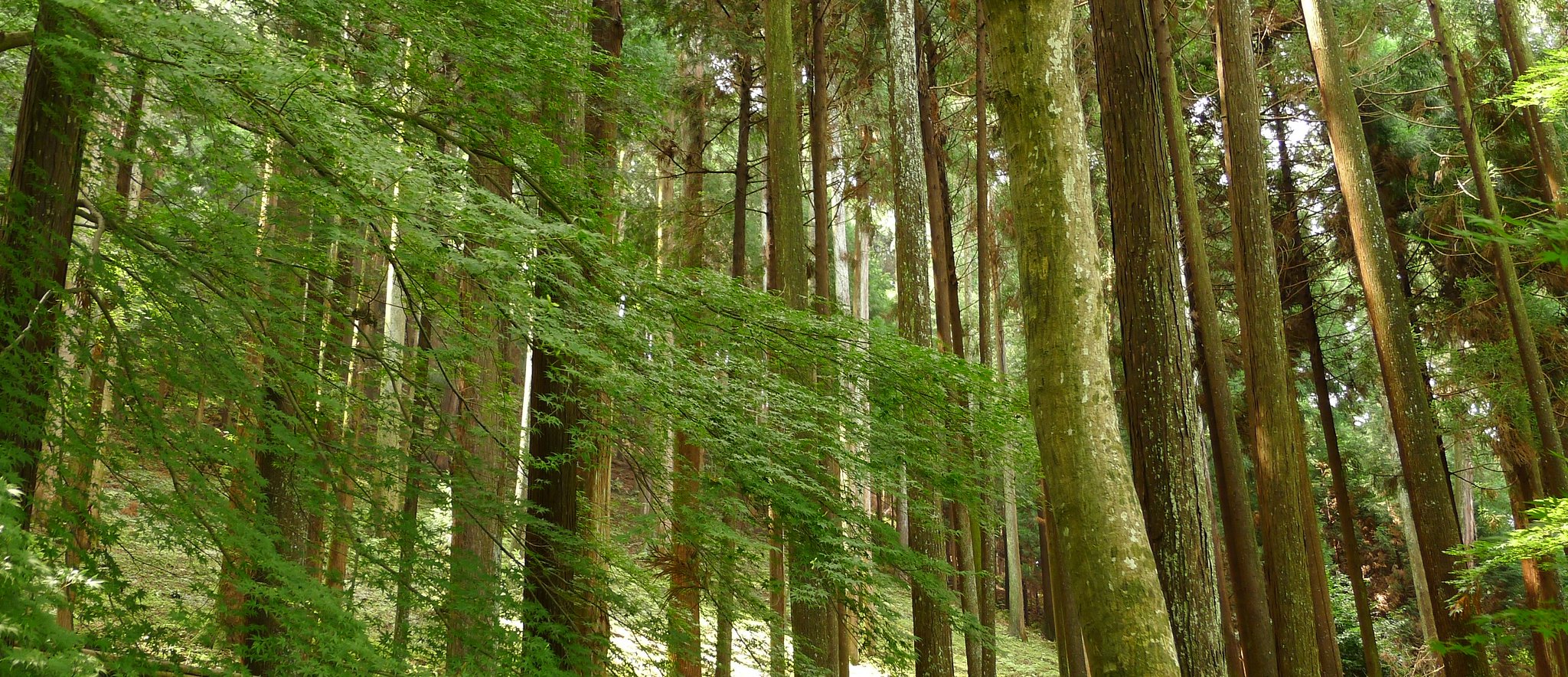
実際に小さい森林です。
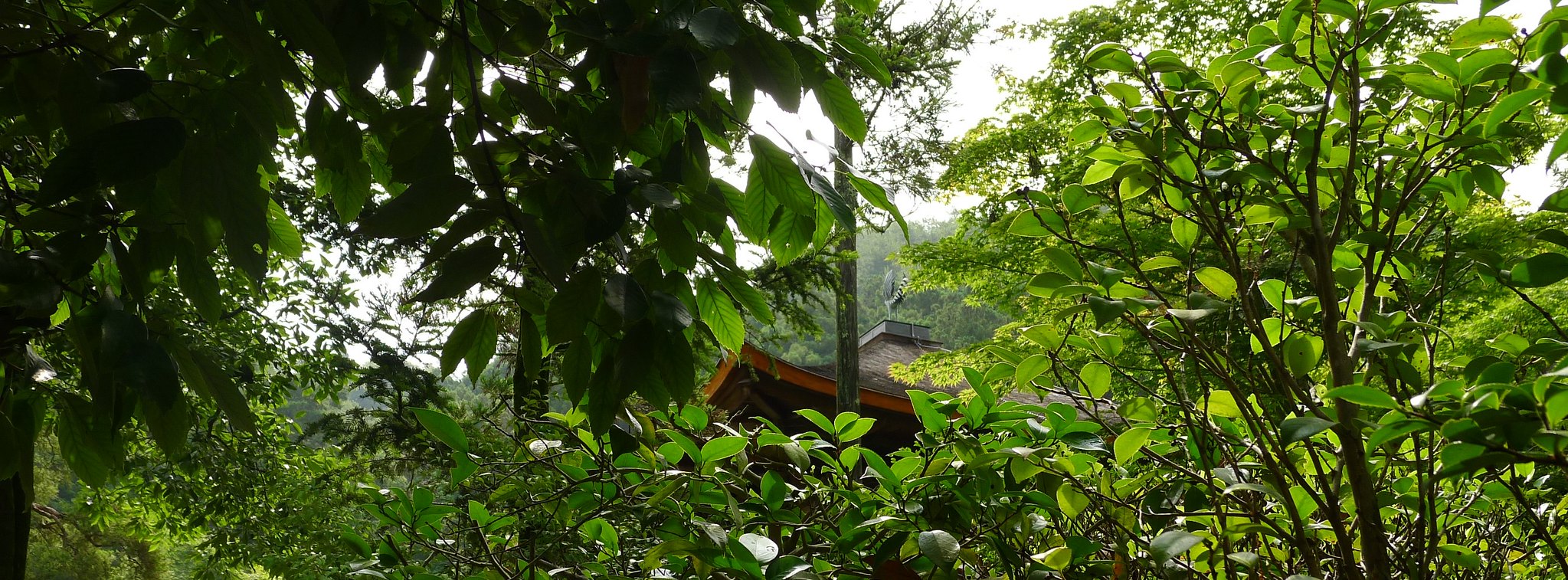
神隠しそうです。
2016年2月3日星期三
Goal and activity statement II
Here is the gold and activity statement of my Japanese study in this semester based on the one from last semester.
Goal.
To be able to understand spoken Japanese with normal speed and medium length.
To be able to speak Japanese with correct pronunciation and pitch in medium speed and medium length. Put more attention on accuracy.
To be able to communicate with people with daily-life topics under daily-life environment.
To be able to understand written Japanese in long length. To be able to write medium length passage in Japanese.
Activity.
Review vocabulary every day.
Shadow the material on SE twice a week.
Read extra reading material everyday (another textbook, news in Japanese, lyrics, etc.).
Goal.
To be able to understand spoken Japanese with normal speed and medium length.
To be able to speak Japanese with correct pronunciation and pitch in medium speed and medium length. Put more attention on accuracy.
To be able to communicate with people with daily-life topics under daily-life environment.
To be able to understand written Japanese in long length. To be able to write medium length passage in Japanese.
Activity.
Review vocabulary every day.
Shadow the material on SE twice a week.
Read extra reading material everyday (another textbook, news in Japanese, lyrics, etc.).
箸
昨日の授業で日本の箸の文化を勉強
先生はいろいろ箸のルールを
でもいつも一人で食事をするので、そのルールをあまり心配しません…
2016年1月22日星期五
食べる
食べます。 (^_^||
召し上がります。 (・_・||
食べられますか。 (・_・a||
食べられます。 (=_=||
お食べになりますか。 (O_O||
いただきます。 (^_^a||
食べていただきます。 (-_-#||
食べさせていただきます。 Σ(°△°|||)
食べさせていただいてもよろしいでしょうか。 (>_<。)~
頂ければと考えております。 ╧═╧\(-_-#\)
大変お世話になっております。一つご相談がありますが、こちら食べさせていただくことを考えておりますが、いかがでしょうか。もし難しければ、教えていただくと幸いです。どうぞよろしくお願い申し上げます。 Orz
Origin: https://www.zhihu.com/question/31186121/answer/82853419
召し上がります。 (・_・||
食べられますか。 (・_・a||
食べられます。 (=_=||
お食べになりますか。 (O_O||
いただきます。 (^_^a||
食べていただきます。 (-_-#||
食べさせていただきます。 Σ(°△°|||)
食べさせていただいてもよろしいでしょうか。 (>_<。)~
頂ければと考えております。 ╧═╧\(-_-#\)
大変お世話になっております。一つご相談がありますが、こちら食べさせていただくことを考えておりますが、いかがでしょうか。もし難しければ、教えていただくと幸いです。どうぞよろしくお願い申し上げます。 Orz
Origin: https://www.zhihu.com/question/31186121/answer/82853419
2016年1月8日星期五
Reflection & Review 2
On the end of the semester, it's time to review the study goal posted before.
Goal.
To be able to understand spoken Japanese with medium speed and medium length.
In the range of the textbook which we touched, I don't have too much problem in understanding textbook audio and sensei's speaking in the class.
To be able to speak Japanese with correct pronunciation and pitch in medium speed and medium length.
According to sensei's comments for oral exam, seems pronunciation, pitch and speed are fine. But long-vowel and double-consonant problems happened frequently. Meanwhile, based on sensei's feedback I should pay more attention to accuracy rather than speaking speed (particle i.e.). With more and more grammar I learned, it's easier to make mistake in speaking
To be able to communicate with people with daily-life topics under daily-life environment.
Based on my performance of the random practice in the class, seems I still have some distance from this goal. Accuracy or fluency, currently I failed to catch them together under the real communication situation. This aspect was not improved obviously in the second half semester, partially because of more conjugation of verbs I learned.
To be able to understand written Japanese in medium length. To be able to write short passage in Japanese.
For the short reading material on textbook, seems it's not a problem to me. But I didn't try more advanced ones yet.
Activity.
Review vocabulary every day.
Yes.
Shadow the material on SE twice a week.
Unfortunately, in the second half of semester, I didn't do this part well. I just finished the required part as schedule and rarely did extra practice.
Read extra reading material everyday (another textbook, news in Japanese, lyrics, etc.).
In the second half semester, this part also shrunk. Although I really have more research work to do during this period of time, but that should be excuse.
To be able to understand spoken Japanese with medium speed and medium length.
In the range of the textbook which we touched, I don't have too much problem in understanding textbook audio and sensei's speaking in the class.
To be able to speak Japanese with correct pronunciation and pitch in medium speed and medium length.
According to sensei's comments for oral exam, seems pronunciation, pitch and speed are fine. But long-vowel and double-consonant problems happened frequently. Meanwhile, based on sensei's feedback I should pay more attention to accuracy rather than speaking speed (particle i.e.). With more and more grammar I learned, it's easier to make mistake in speaking
To be able to communicate with people with daily-life topics under daily-life environment.
Based on my performance of the random practice in the class, seems I still have some distance from this goal. Accuracy or fluency, currently I failed to catch them together under the real communication situation. This aspect was not improved obviously in the second half semester, partially because of more conjugation of verbs I learned.
To be able to understand written Japanese in medium length. To be able to write short passage in Japanese.
For the short reading material on textbook, seems it's not a problem to me. But I didn't try more advanced ones yet.
Activity.
Review vocabulary every day.
Yes.
Shadow the material on SE twice a week.
Unfortunately, in the second half of semester, I didn't do this part well. I just finished the required part as schedule and rarely did extra practice.
Read extra reading material everyday (another textbook, news in Japanese, lyrics, etc.).
In the second half semester, this part also shrunk. Although I really have more research work to do during this period of time, but that should be excuse.
2016年1月5日星期二
「Tell your world」
これはGoogleの広告ですか、数年前見ました。でも電効な音楽があまり気に入りじゃありませんでしたから、印象があまりありません。今日はもう一度偶然聞きいて、感じはちょっと違いますね。
Mikuは音楽の合成ソフトウェアです。初めに、唯少し愛好者はMikuを使用しました。でも、インタネットでMikuの作品を広がって、人気なアイドルになりました。Mikuの作品は大抵愛好者のコミュニティから来ました。愛好者は協力して、優良な作品を作りました。この広告はそのコミュニティの自発の協力を見せます。
数年前のWeb1.0時代に、インタネットの内容(新聞、音楽、ビデオ…)は大抵ウェブサイトから来ました。そのウェブサイトはOff-lineからOn-lineまで内容を運びました。でも、今インタネットのユーザも優良な内容の大切な源です。ネット技術は進めって、コミュニティの自発の協力は易しくなりますから、ユーザは優良な作品を作るのは可能になります。このUGC(user generated content)はWeb2.0時代の象徴です。
残念です、今もMikuの音楽が好きでも嫌いでもありません。でも、このWeb2.0の符号が気に入りますね。
订阅:
博文 (Atom)